
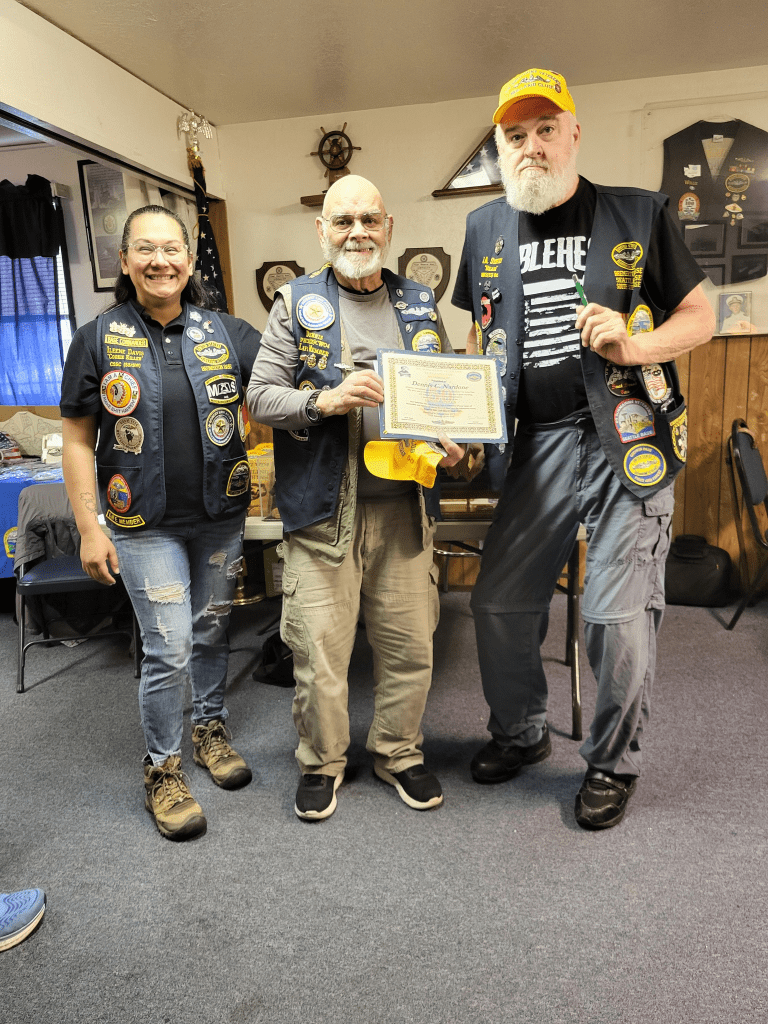
The Bremerton Base entered 2025 with the quiet confidence of an outfit that knew exactly who it was. Not perfect, not polished, but seasoned. The kind of group that has seen enough years to understand that survival is not the goal anymore. Purpose is.
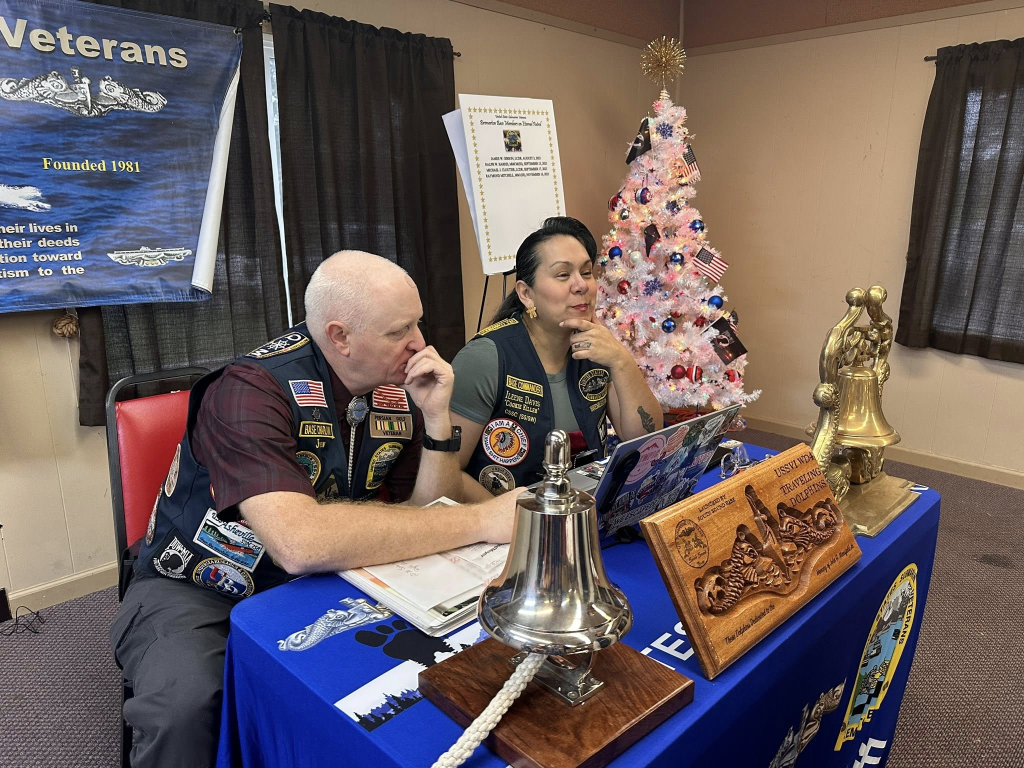
January opened with that tone set clearly. The base stood on a firm foundation of leadership and structure, with Commander Ileene Davis at the helm, supported by a steady cast of officers and volunteers who had, over time, become more than just names on a roster. They were the working machinery of the organization. The Chief of the Boat, David Pittman, carried not just a title but a voice, acting as both communicator and connective tissue across the membership. The base was not drifting. It was moving with intent.
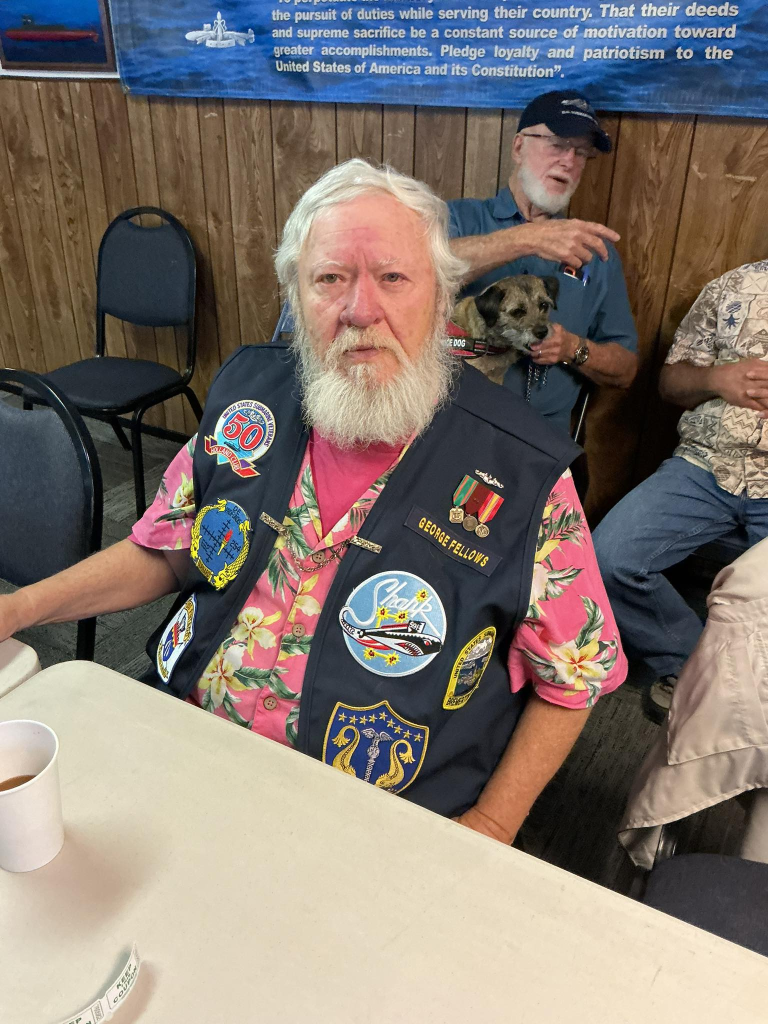
There was an emphasis early in the year on preparedness, both practical and modern. Cybersecurity, emergency readiness, and personal responsibility were not abstract ideas. They were treated as part of the same discipline that once governed life at sea. Submariners adapt or they fail, and that mindset had carried forward into civilian life. Even now, decades removed from active duty, the instinct remained. Be ready. Stay sharp. Watch your six.
At the same time, the base continued to lean into something more enduring than preparedness. Tradition. The remembrance of those on Eternal Patrol was not just ceremonial. It was woven into the identity of the organization. The past was not something to visit occasionally. It was something carried daily, like a qualification pin that never comes off.
By February and March, the tempo increased. Meetings, coordination, and planning filled the calendar. The base was not content to exist as a social club. It functioned as a working body. Reports were filed, committees operated, and communication flowed through multiple channels. There was a clear recognition that the world had changed. Information no longer moved by printed page alone. It moved instantly, digitally, and the base was adapting to that reality.
That adaptation came into sharper focus in the spring.
April arrived with a kind of quiet turning point. The long-standing publication that had served as the primary voice of the base was being retired. Not out of failure, but out of necessity. The world had moved on, and the base chose to move with it. Communication would shift to email, social media, and the Gertrude Check website. It was a decision that carried weight. You do not abandon tradition lightly, especially in a group built on memory. But there was no sense of panic in the transition. Only a recognition that relevance requires change.
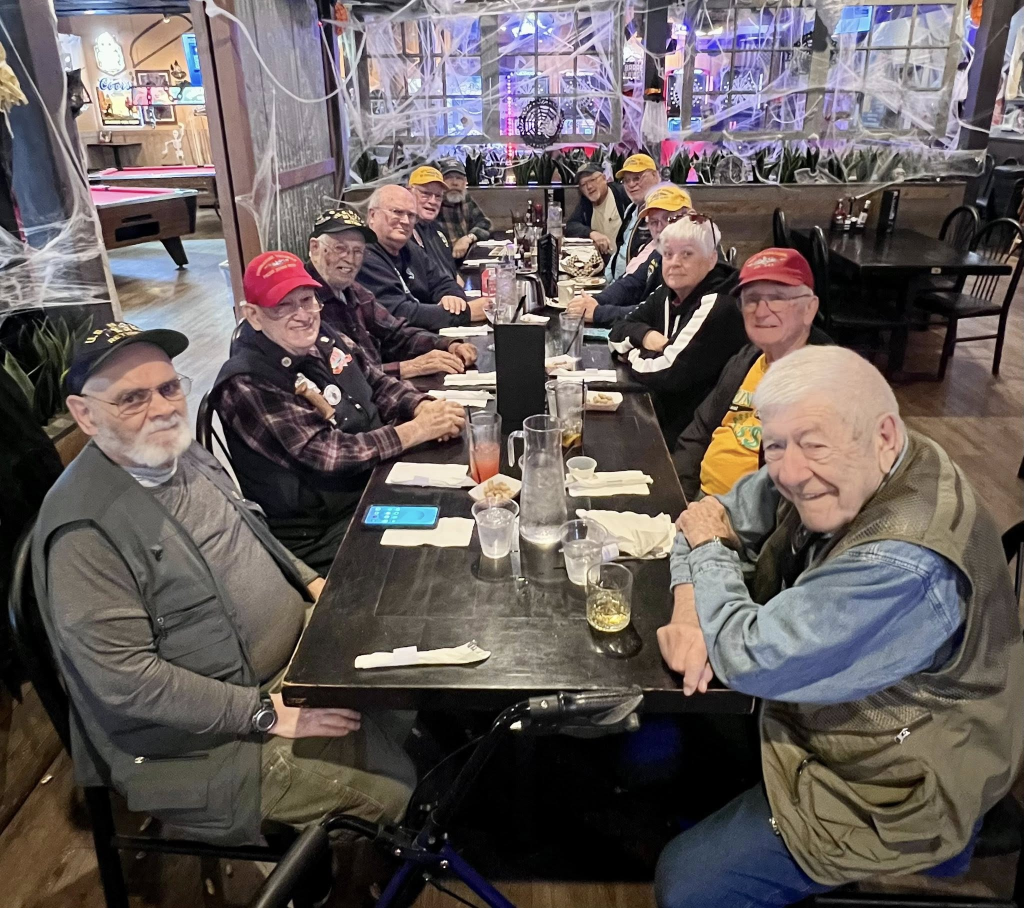
May and June carried that transition forward. The base leaned into its digital presence, encouraging members to engage through new platforms while still maintaining the core rhythm of meetings and in-person gatherings. The old ways were not discarded. They were supplemented. The result was something balanced. A foot in the past, a hand on the future.
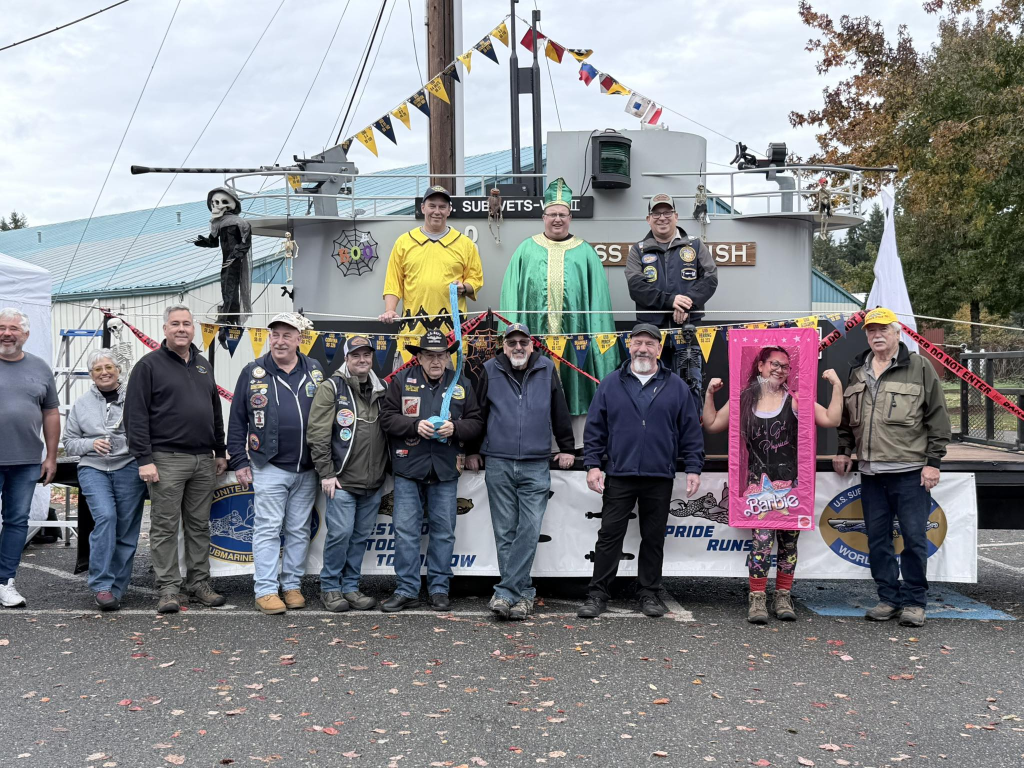
At the same time, activity outside the meeting room remained strong. The base participated in community events with a visibility that spoke to pride and purpose. Military appreciation days, local parades, and public gatherings became opportunities not just to be seen, but to represent the Silent Service to a broader audience. The Sequim Irrigation Festival Parade and Armed Forces Day events were not mere appearances. They were statements. We are still here. We still matter.
There is something almost poetic in that. Men who once operated in secrecy, beneath the surface, now standing in daylight, telling their story openly.
The spring months also reinforced the base’s internal culture. New members were welcomed, not as outsiders, but as shipmates who had simply arrived late to the watch. The Holland Club continued to honor those with fifty years of qualification, a reminder that time does not diminish service. It deepens it.
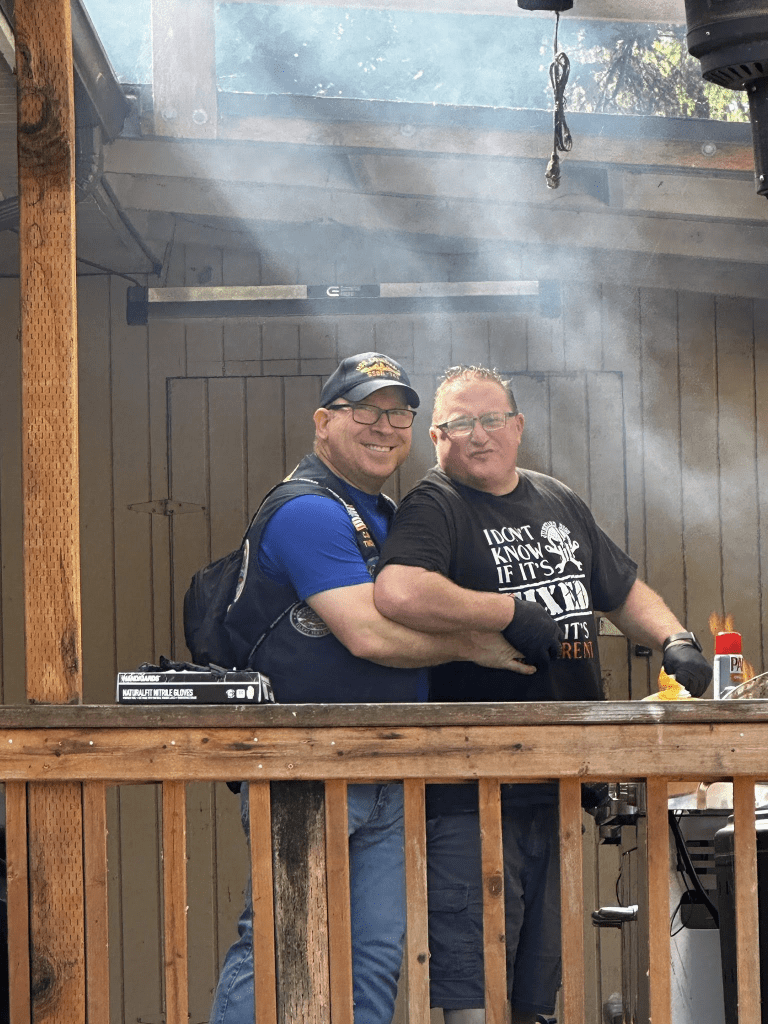
Summer, though less documented in formal publication, can be read between the lines. This is where the base lives its life. Gatherings, informal meetings, shared meals, and the quiet conversations that never make it into any official record. This is where organizations either fade or strengthen. In Bremerton, it strengthened.
The work of the historian continued steadily throughout the year, adding new material to the growing body of submarine history accessible through the base. War patrol narratives, technical discussions, and historical reflections were not treated as academic exercises. They were living memory, preserved and shared for those who would come after.
And that is the thing about this base. It does not simply remember. It curates memory.
By the time the year turned toward fall, the base had settled into its new operational rhythm. Communication flowed through modern channels. Events continued. Membership remained engaged. There was no sense of loss from the earlier transition. Only a quiet acknowledgment that the method had changed, not the mission.
Throughout the year, there was also a persistent undercurrent of advocacy. Veterans’ issues, healthcare access, disability claims, and the long-term effects of submarine service were not ignored. The base aligned itself with broader efforts to ensure that submariners received the recognition and care they had earned. This was not nostalgia. This was responsibility.
And always, there was the thread that tied everything together. Camaraderie.
Not the shallow kind that fades after a handshake, but the deeper version, forged in confined spaces and shared risk. It showed up in the way members supported each other, in the willingness to volunteer, and in the quiet understanding that no one who had worn dolphins ever truly stands alone.
Looking across the full year, 2025 was not defined by a single event. There was no moment that stands apart and demands attention. Instead, it was a year of transition handled well, of continuity maintained, and of purpose reaffirmed.
The base adapted to new methods of communication without losing its identity. It expanded its public presence while maintaining its internal cohesion. It honored its past while continuing to build something for the future.
If you were looking for a headline, you would miss it.
But if you look closer, you see something better.
A group of men and women who once operated in silence, now speaking clearly.
A community that understands that memory is not passive. It must be carried.
An organization that refuses to fade quietly into history.
Like any good submarine crew, they did not make noise.
They just kept moving forward, steady, deliberate, and sure of who they were.


 The Puget Soundings