
The year 2016 for the Bremerton Base did not begin with fanfare. It began the way most good years do in organizations like this, quietly, with people showing up. That is the first thing you notice when you read through the months. Not announcements. Not grand plans. Attendance. Participation. The simple act of men gathering who had once shared something uncommon, and were not quite ready to let it fade.
By April, the base was already in motion. The winter lull had passed, and the rhythm of activity had returned. Meetings were held, meals shared, and the machinery of the organization turned without hesitation. Leadership was steady, and that steadiness mattered. Steve Corcoran held the role of Base Commander, and from his words you can sense both pride and responsibility. He was not trying to reinvent the base. He was trying to keep it strong.
Spring brought with it one of the recurring truths of the base. Nothing happens unless someone does the work. Events do not organize themselves. Funds do not appear out of thin air. The Dolphin Dash, a visible and public-facing effort, required coordination and volunteers, and it succeeded because members stepped forward. That phrase appears again and again in spirit, if not always in print. People stepped forward.
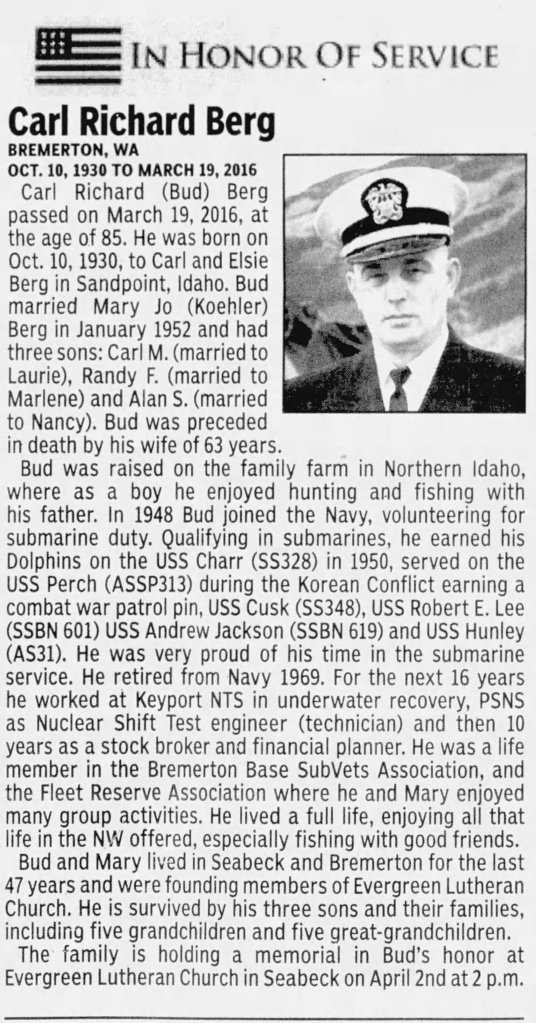
There is also a tone in these early months that feels almost reflective. Loss is present. The obituary of Bud Berg is not just a notice. It is a reminder. Time is moving, whether anyone likes it or not. The base exists, in part, to push back against that tide, to hold onto names, stories, and faces that might otherwise disappear.
By May and June, the base had found its stride. Activities expanded beyond meetings into the community. Events were attended not just as participants, but as representatives. There is a quiet pride in that. The Bremerton Base did not hide itself. It showed up, in public, as a visible piece of the Silent Service.
At the same time, there is a thread running beneath the surface. Funding. The loss of traditional revenue sources, particularly fireworks sales, is mentioned not as a crisis, but as a problem to be solved. Ideas were discussed. Raffles, alternative fundraising, new approaches. It is the kind of practical challenge that defines whether an organization adapts or declines. In 2016, the base chose to adapt.
Summer arrives, and with it, the tone shifts slightly. July and August feel fuller, more alive. The calendar fills with events that bring members together in a different way. Parades, picnics, gatherings where the formal structure of the base gives way to something more relaxed.
The Whaling Days parade stands out, not because it is unique, but because it is typical. A float maintained, a presence established, a group of veterans moving through a crowd that may or may not fully understand what they are seeing. And yet, they show up anyway. That is the point.
The annual picnic offers another glimpse into the character of the base. It is not just food and conversation. It is continuity. The Chief of the Boat, Wayne Peterson, is at the grill, feeding the crew, just as surely as any COB ever did underway. It is a small detail, but it carries weight. Roles may change, uniforms may be gone, but habits remain.
There is also evidence of strain, though it is handled with a steady hand. The search for new revenue streams continues. The loss of fireworks sales is not insignificant, and the base is clearly aware that it cannot rely on old methods indefinitely. Discussions are held, ideas floated, but nothing is rushed. It is handled the way submariners handle most problems, deliberately.
September carries a sense of maturity. The base is not scrambling. It is functioning. Scholarships are awarded, events completed, and the organization moves forward without hesitation. There is a recognition that success is not measured in dramatic moments, but in consistency.
At the same time, there is an ongoing effort to maintain membership. Recruitment is not treated as an afterthought. It is a priority. The proximity to an active submarine base is seen as an opportunity, not a guarantee. Former shipmates must be found, contacted, invited. The base does not assume they will come on their own.
As the year moves into October and November, the tone becomes more reflective again. The Commander’s remarks take on a slightly different weight. A year is coming to an end, and with it, a period of leadership. Corcoran speaks not of accomplishments in grand terms, but of service. Whether he has done the job well. Whether the base is better for it.
There is also a broader awareness of the organization beyond Bremerton. National conventions, financial health, and the position of the base within the larger structure of USSVI are discussed. It is a reminder that the base is not isolated. It is part of something larger, something that must also be maintained.
Fundraising efforts continue to evolve. The idea of raffles and new initiatives reflects a willingness to try. There is no guarantee of success, but there is no hesitation either. The base understands that standing still is not an option.
December brings the year to its close, and with it, a sense of completion. Not perfection, but completion. The base has met its obligations. Events have been held. Funds have been raised. Members have gathered. Shipmates have been remembered.
Looking across the full year, 2016 does not offer a single defining moment. There is no dramatic turning point, no crisis overcome, no singular achievement that stands above the rest. Instead, it offers something more telling.
It shows a base that works.
A base that adapts when necessary, but does not chase change for its own sake.
A base that understands the value of tradition, but is not trapped by it.
A base that relies, above all else, on its members.
There is a line in the Commander’s remarks that lingers, even if it is not written as such. The success of the base depends on the people who show up. Not just the officers, not just the volunteers, but everyone.
And that is the real story of 2016.
No headlines. No upheaval.
Just a group of submariners, long removed from the boats that defined them, continuing to live by the same principles that carried them through their service.
Show up. Do your job. Take care of each other.
The rest takes care of itself.
PUGET SOUNDINGS 2016 Newsletters


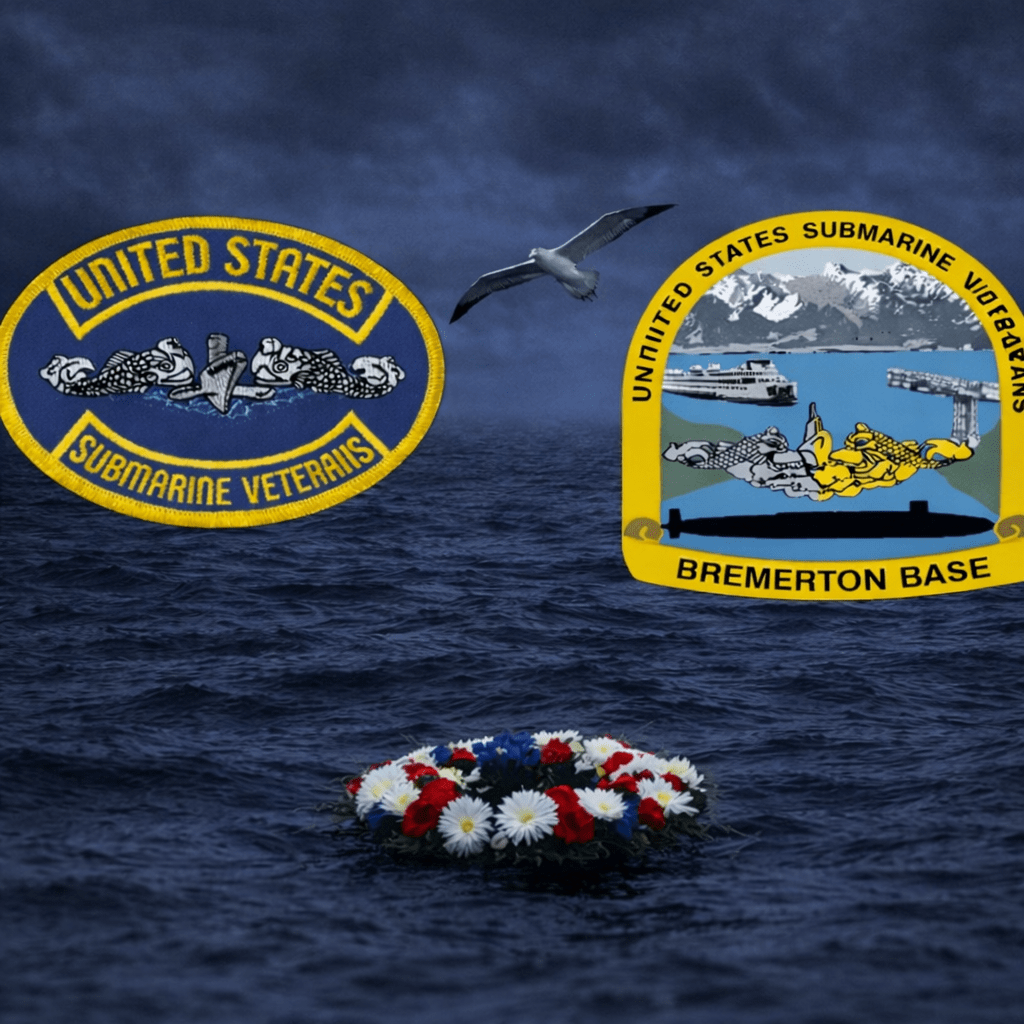
 The Puget Soundings